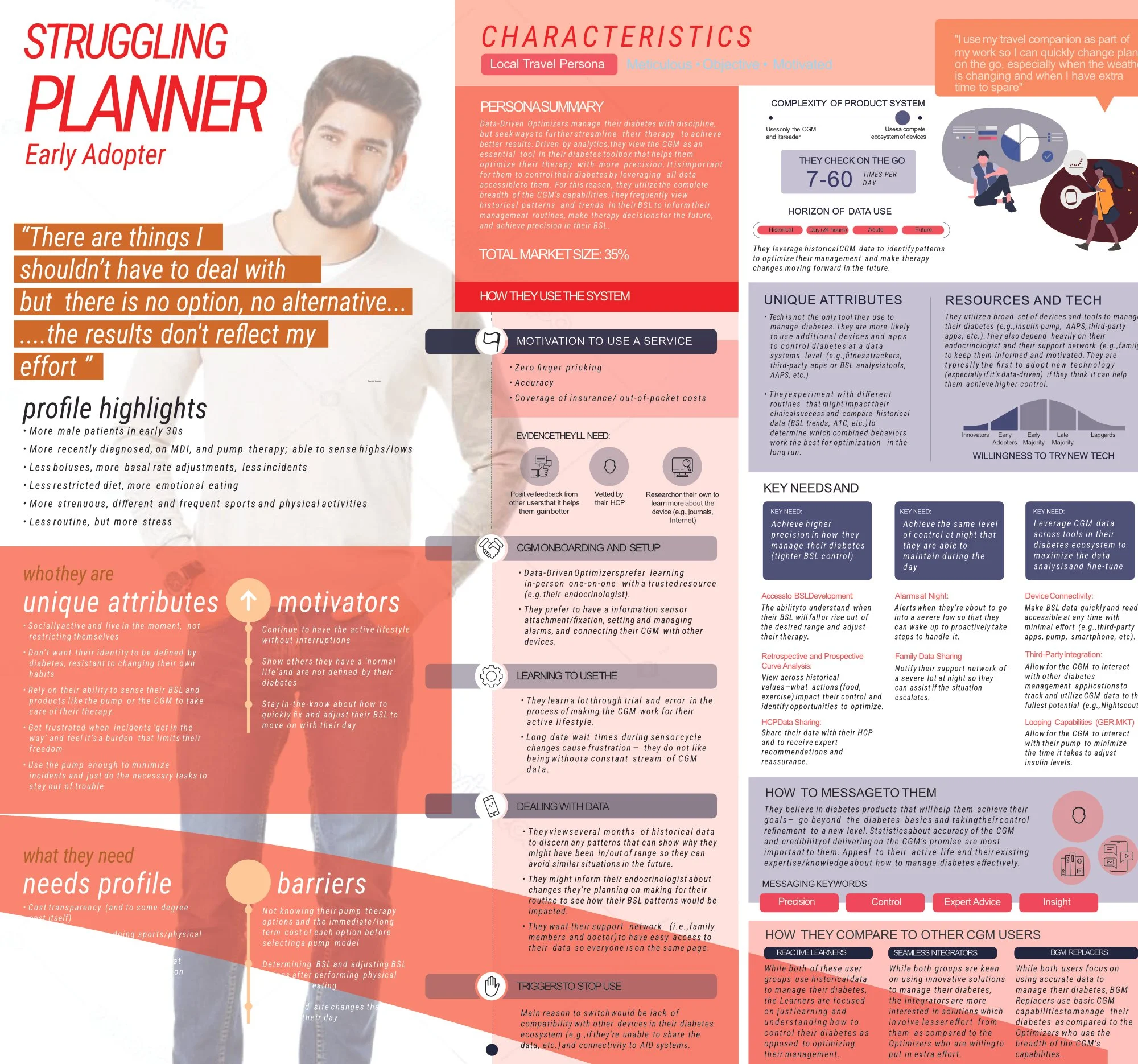
Insights Discovery &
Customer Opportunity Development
While targeting the right customer and the right unmet needs does not guarantee business success - targeting poorly defined needs and segments almost always guarantees business failure.
We empower you to target the right customer and underserved job-to-be-done at the right time - the fundamental condition for truly accelerating value creation for both customers and your business.
Case Study 1
Using the Opportunity Portfolio to Build a New Growth Pipeline
The Challenge
A multinational corporation approached us with the challenge that its “innovation pipeline” has not produced desired business results. Furthermore, the portfolio was filled with solutions that did not translate into customer value and desired revenue outcomes.
Our deep dive assessment surfaced several challenges:
There was no alignment on what customer needs the organization should prioritize to target for value creation and growth
There was little evidence that the organization had “portfolio - growth ambition fit”
Ideas, product concepts, initiatives were abundant but the organization struggled with prioritization - resulting in “opinion driven decision making” and funding “too many initiatives half heartedly"
The commercial organization challenged “commercial readiness” of soon to be launched solutions, resulting in “limited launch campaigns” and eventually killing the commercialization of new solutions
The Approach
Our core hypothesis was that a fragmented and poorly defined customer targeting approach was a root cause of the failed pipeline. To address this, we proposed a new, opportunity-based segmentation designed to unite the organization behind its customer targeting priorities.
Our implementation involved three key steps:
Develop a shared, empathetic customer understanding: Cultivate a deep, rich, highly contextual, and real-world understanding of the customer across the entire organization.
Establish a unified customer value metric: Define a single customer value metric and ensure the entire organization is aligned on how to use it to guide all value creation initiatives.
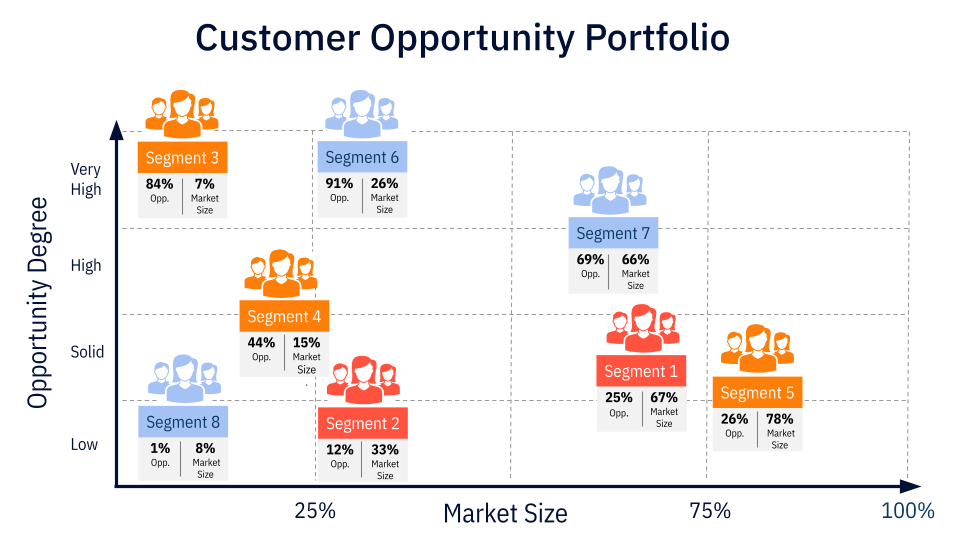
Create a customer opportunity portfolio: Develop a portfolio of customer opportunities to inform the prioritization and development of the new growth pipeline
The Results
A significant accomplishment was to unite the organization around a new customer targeting strategy. This strategy focused on prioritized opportunity segments as the key input for the development of the pipeline.
The results of this work included:
Improved Efficiency and Cost Management: Strategic prioritization of the new customer opportunity portfolio enabled "killing with confidence." This meant stopping pipeline solutions and initiatives that did not demonstrate customer value and reallocating funding toward "targeting the most underserved customer opportunities."
Increased Confidence in Achieving Growth Ambitions: By implementing Lean Strategy and a systematic pipeline validation approach, we generated significantly stronger, evidence-based progress toward defined growth objectives, thereby ensuring a better "pipeline - growth ambition fit."
Case Study 2
Customer Journey Driven Value Creation
The Challenge
A key challenge for one organization we worked with was persistently "low adoption rates." Despite investing in surveys, qualitative research, product improvements, and messaging changes, the company saw no measurable increase in conversion or adoption.
Our initial assessment revealed that while the organization had rich in data, many ideas, and assumptions about how to solve the problem, it lacked strong, real-world evidence explaining why customers were hesitant to adopt the new solution.
The Approach
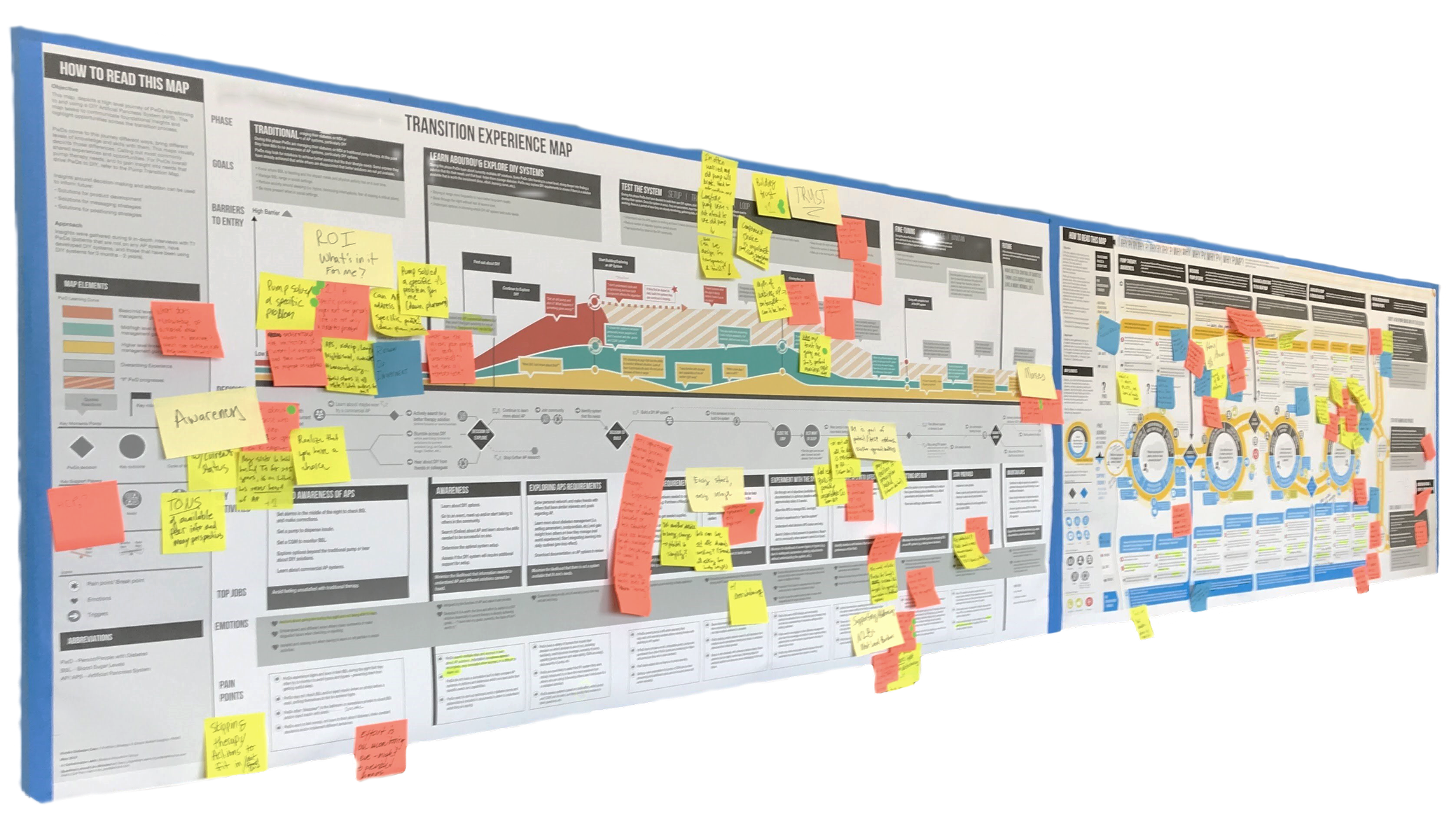
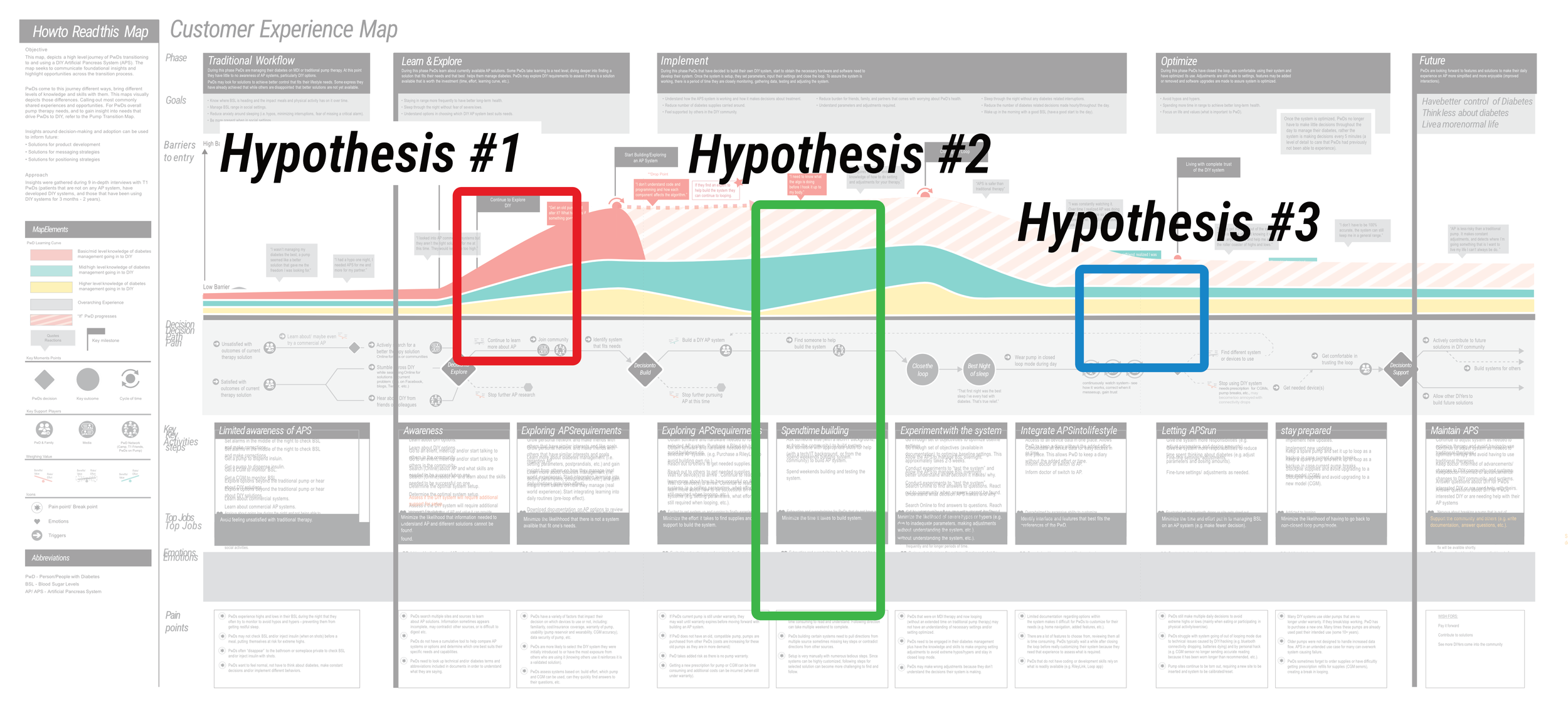
Customer Journey Co-Creation: Using co-creation methods, contextual inquiry, exploratory research, jobs-to-be-done research, we co-designed and validated highly contextual customer journeys with users that provided a deep and robust understanding of the “end-to-end” and the “circular” customer experience. The journeys combined with customer video snippets allowed us to develop, pinpoint and prioritize key moments and situations of the customer experience, their challenges, desires, jobs-to-be-done.
The Results
The journey showed that only 1 out of 3 customer segments experienced the problem that required the new solution. In addition, the timing for introducing the solution to that segment was misguided and the company missed the window of opportunity to introduce the new solution to the right customer at the right time.
Through experience immersion & insights activation, we united the key functions such as marketing, product management and sales on the discovered challenges and enabled them to develop, prioritize & stress-test the most critical, customer journey based “solution-fit hypotheses”, resulting in the company’s strong confidence and ability to demonstrate progress towards desired activation rates.
Case Study 3
Solution-Fit Persona & Go-to-Market Validation
The Challenge
A commercial team was preparing the launch of new product. While the marketing organization conducted surveys and tested positioning to ensure a successful product launch, the commercial organization expressed low confidence in the company’s go-to-market readiness and in the ability to achieve desired business outcomes in year one of the product launch. Thus, we were tasked to stress-test the go-to-market readiness.
The Solution
We proposed a two step approach to increase the likelihood of achieving desired launch objectives in year one:
Design of Go-to-Market Strategy: We developed a go-to-market strategy, resulting in several customer acquisition hypotheses that we stress-tested with the goal to minimize the risk that the short term launch objectives would not be achieved. Our primary goal was to demonstrate that the company targets the right customer at the right time with the new product.
Development & Validation of Targeting Persona: We conducted exploratory research and acquisition experiments to measure “need - solution fit” across a representative sample size
The Results
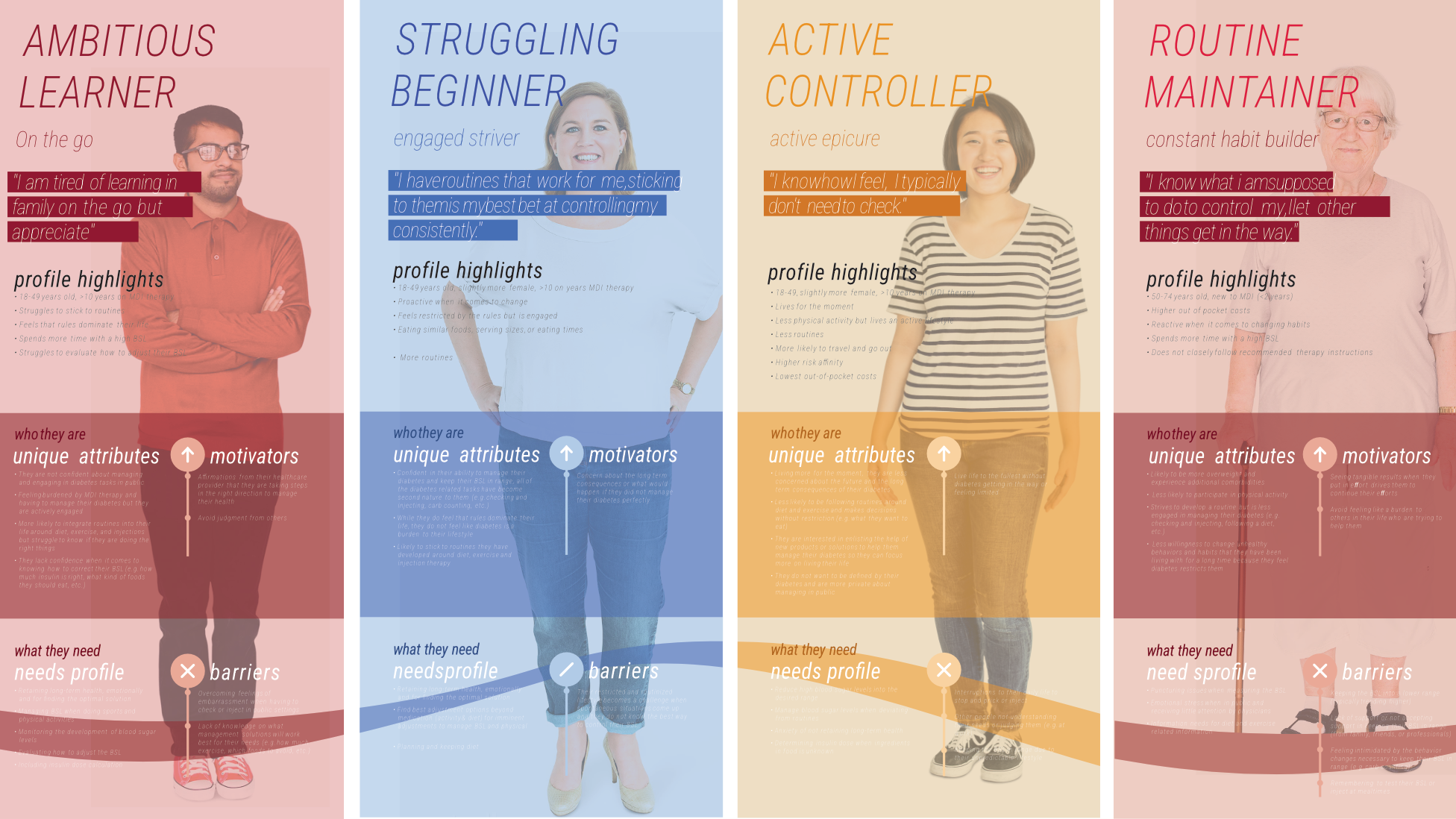
The research surfaced new segments based on the “end-to-end” user experience and based on the customer’s ability to get functional, emotional and social jobs done. Those “need-solution fit personas” enabled the organization to take deliberate actions, such as changing acquisition and conversion tactics or informing product improvements.